
Affiliate Disclosure: This article may contain affiliate links. If you make a purchase through these links, we may earn a commission at no additional cost to you.
👉 Click here to visit now
When you’re shopping online, one question comes up again and again: Should you save money with a budget product or spend more on a premium option?
The answer isn’t always as simple as choosing the more expensive product.
A premium product may offer better materials, additional features, longer durability, or a more refined experience. But a budget product can sometimes deliver 80–90% of the experience for a fraction of the price. The right choice depends on what you’re buying, how frequently you’ll use it, and whether the additional premium features actually matter to you.
This guide compares budget vs premium products across popular categories, including headphones, electronics, home products, beauty, fashion, fitness, and everyday accessories.
Budget vs Premium: What’s the Real Difference?
The biggest misconception about budget products is that they’re automatically low quality.
That’s not necessarily true.
Manufacturers have become extremely competitive, and affordable products can now include features that were once found only in expensive models. At the same time, premium products continue to justify their higher prices through better construction, advanced technology, improved materials, longer warranties, and more polished user experiences.
Think of it this way:
Budget products focus on getting the job done.
Premium products focus on getting the job done better.
The question is whether that “better” is worth paying for.
For some products, absolutely.
For others, probably not.
Budget vs Premium Products Compared
| Factor | Budget Products | Premium Products |
|---|---|---|
| Initial Price | Lower | Higher |
| Basic Features | Usually Included | Usually Included |
| Advanced Features | Limited | Extensive |
| Materials | Functional | Often Higher-End |
| Durability | Varies | Generally Better |
| Design | Practical | More Refined |
| Warranty | Often Basic | Often More Comprehensive |
| Best For | Casual Users | Frequent Users |
| Long-Term Value | Depends on Product | Often Strong |
| Risk | Lower Upfront Cost | Higher Upfront Cost |
Budget vs Premium Headphones
Headphones are one of the best examples of the budget-versus-premium debate.
You can find inexpensive wireless headphones that provide Bluetooth connectivity, decent battery life, microphones, and surprisingly good sound. At the same time, premium headphones can cost several times more and offer sophisticated noise cancellation, higher-quality materials, improved sound tuning, better microphones, and more advanced software.
So which should you buy?
It depends on how you listen.
Budget Headphones
Budget headphones make sense if you primarily want:
- Music during commuting
- Podcasts
- YouTube
- Casual gaming
- Occasional calls
- Workout listening
If you’re not particularly concerned about advanced audio performance, spending less can be a smart decision.
Premium Headphones
Premium headphones make more sense for frequent listeners.
If you spend several hours every day listening to music, traveling, working remotely, or taking calls, improvements in comfort and noise cancellation can become much more noticeable.
A premium product isn’t necessarily about having “better sound” alone.
It’s about the overall experience.
Better comfort for a three-hour flight can matter more than a tiny difference in audio quality.
Winner?
Budget: Best for casual users and value shoppers.
Premium: Best for frequent listeners and people who prioritize comfort and advanced features.
Budget vs Premium Smartphones
Smartphones demonstrate the difference particularly well.
A budget smartphone can handle messaging, social media, video streaming, navigation, photography, and everyday apps. For many people, that’s enough.
Premium smartphones typically add:
- Better cameras
- Faster processors
- Higher-quality displays
- Better materials
- Longer software support
- More advanced features
But here’s the important question:
Do you actually need those improvements?
If your smartphone is primarily used for messaging, social media, calls, navigation, and streaming, a mid-range device may provide excellent value.
If you use demanding applications, take lots of photographs, play graphics-intensive games, or keep your phone for several years, paying more can make sense.
Budget vs Premium Home Products
Home products are another category where paying more doesn’t always guarantee a better experience.
Consider something as simple as a kitchen appliance.
A budget appliance may perform the essential function perfectly well.
A premium version might offer:
- Better materials
- More precise controls
- Additional settings
- Quieter operation
- Longer warranty
- More attractive design
If you use the appliance occasionally, the budget option could be the better purchase.
If it’s something you use every morning, every day, premium construction becomes more valuable.
Frequency of use should influence your spending.
Budget vs Premium Beauty Products
Beauty is particularly interesting because expensive doesn’t automatically mean more effective.
A premium skincare product may offer a sophisticated formulation, luxurious packaging, or a pleasant texture. But an affordable product can sometimes contain similar categories of active ingredients.
The smarter approach is to look beyond the price.
Consider:
- Ingredients
- Skin type
- Product purpose
- Customer feedback
- Brand transparency
- Your existing routine
For beauty products, spending more should be justified by something meaningful rather than simply attractive packaging.
When Budget Makes Sense
Budget beauty products can be excellent for:
- Everyday basics
- Makeup accessories
- Cleansers
- Moisturizers
- Lip products
- Hair accessories
When Premium May Make Sense
Premium products may be worth considering when:
- You use the product daily
- The formulation is significantly different
- The product lasts longer
- The application experience matters
- You’re looking for specialized features
👉 Click here to visit now
Budget vs Premium Fashion
Fashion presents perhaps the most subjective comparison.
A $30 bag can look excellent.
A $300 bag can also look excellent.
The difference often comes down to materials, construction, stitching, hardware, brand positioning, and longevity.
If you’re buying a seasonal trend that you may only wear a few times, budget fashion can be perfectly reasonable.
But for everyday items such as shoes, coats, bags, or jackets, durability becomes more important.
A product that lasts five years can potentially provide better value than buying the cheaper alternative several times.
Budget Fashion Is Best For:
- Trends
- Seasonal clothing
- Occasional wear
- Accessories
- Experimenting with new styles
Premium Fashion Is Best For:
- Everyday staples
- Frequent-use footwear
- Outerwear
- High-quality materials
- Long-term wardrobe pieces
Budget vs Premium Fitness Products
Fitness products are another category where you don’t necessarily need premium equipment to get results.
Resistance bands, exercise mats, jump ropes, workout accessories, and basic weights can be surprisingly affordable.
For beginners, budget equipment often makes the most sense.
Why spend hundreds of dollars before knowing whether you’ll actually maintain the habit?
Start small.
Build consistency.
Upgrade later.
Premium fitness equipment becomes more attractive when you’re already committed to training and can identify exactly what additional features you need.
Budget vs Premium Electronics
Electronics often provide the clearest example of diminishing returns.
Moving from a $20 product to a $50 product can sometimes produce a huge improvement.
Moving from $200 to $500 may produce a much smaller difference for the average user.
That’s the concept of diminishing returns.
The first upgrade can solve major weaknesses.
Later upgrades may simply add refinement.
This is why you shouldn’t automatically choose the most expensive option.
Instead, identify the features that actually matter to you.
When Should You Buy Budget?
A budget product is usually the better choice when:
You’re a Casual User
If you only use something occasionally, paying for premium features may not make sense.
You’re Testing a New Category
Not sure whether you’ll use a fitness tracker, air fryer, smart accessory, or beauty gadget regularly?
Start with an affordable option.
The Basic Function Is All You Need
If a $30 product performs the exact function you require, there’s little reason to spend $150.
You’re Shopping for Temporary Use
For travel, temporary housing, college, or short-term projects, budget products can provide excellent value.
When Should You Buy Premium?
Premium becomes more attractive when the product is part of your daily routine.
You Use It Every Day
Small improvements become significant when repeated hundreds of times.
Comfort Matters
Headphones, shoes, office chairs, mattresses, and wearable products are good examples.
Durability Is Important
If replacing a product frequently would cost more over time, higher-quality construction can make sense.
Advanced Features Actually Matter
Don’t pay for features just because they’re impressive.
Pay for them because you’ll use them.
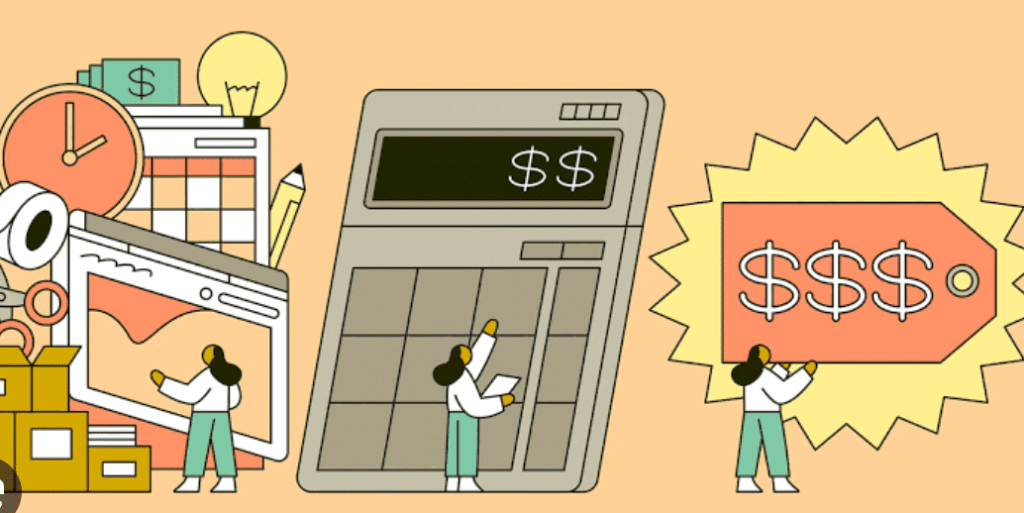
The Total Cost Matters More Than the Purchase Price
One of the biggest mistakes shoppers make is looking only at the initial price.
Suppose Product A costs $30 and lasts one year.
Product B costs $70 and lasts four years.
At first glance, Product A looks cheaper.
But over four years, you might spend around $120 replacing it.
That’s why cost per year can be a better comparison than the price at checkout.
The same principle applies to products with replacement parts, batteries, filters, accessories, subscriptions, or consumables.
Always consider the total ownership cost.
Budget vs Premium: Quick Decision Guide
| If You… | Better Choice |
|---|---|
| Use the product occasionally | Budget |
| Are trying a category for the first time | Budget |
| Need basic functionality | Budget |
| Use it every day | Premium |
| Care about comfort | Premium |
| Need maximum durability | Premium |
| Want advanced features | Premium |
| Plan to keep it for years | Premium |
| Are buying for children or temporary use | Budget |
| Want the best overall experience | Premium |
The Smartest Option: Buy in the Middle
There’s another option that many shoppers overlook.
Mid-range products.
You don’t always have to choose between the cheapest product and the most expensive one.
The middle of the market can offer an excellent balance between:
- Price
- Quality
- Features
- Durability
- Performance
For many shoppers, this is the sweet spot.
A mid-range product may provide nearly all the functionality they need without the premium price attached to advanced features they won’t use.
How to Compare Budget and Premium Products
Before buying, ask yourself five questions:
1. How often will I use it?
Daily-use products justify higher spending more easily.
2. What features do I actually need?
Don’t pay for features that won’t improve your experience.
3. How long do I want it to last?
Short-term use favors budget products. Long-term ownership can favor premium products.
4. Is comfort important?
For products you wear, sit on, or use for hours, comfort can be worth paying for.
5. What is the real cost over time?
Consider replacements, accessories, maintenance, and subscriptions.
These questions can make the decision much easier.
Final Verdict: Budget or Premium?
There isn’t one universal winner.
The best product is the one that matches your usage, priorities, and budget.
If you need something simple and don’t use it often, choose budget.
If the product is something you depend on every day, premium can be worth the investment.
And if you’re somewhere in between, don’t overlook the mid-range category.
The smartest shoppers don’t ask, “What’s the most expensive option?”
They ask:
“Which option gives me the features I actually need at the best overall value?”
That’s the question that leads to better purchases.
👉 Click here to visit now
FAQs
Are premium products always better than budget products?
No. Premium products generally offer additional features, better materials, or improved refinement, but those benefits may not matter to every shopper.
Are budget headphones worth buying?
Yes, especially for casual listening, commuting, workouts, and everyday calls. Premium headphones become more attractive when comfort, advanced noise cancellation, sound quality, or long-term use are priorities.
Is it better to buy a mid-range product?
Often, yes. Mid-range products can provide an excellent balance between price and performance and may be ideal for shoppers who want more than basic functionality without paying for every premium feature.
When is buying premium worth it?
Premium products are generally easier to justify when you use them frequently, depend on them daily, need advanced features, or expect them to last for many years.
How can I get the best value when shopping?
Don’t compare products based only on price. Compare features, quality, durability, reviews, warranty, maintenance costs, and expected lifespan to determine the overall value.